

DDB is a specific form of declining balance depreciation that doubles the straight-line rate, accelerating expense recognition. Standard declining balance uses a fixed percentage, but not necessarily double. Both methods reduce depreciation expense over time, but DDB does so more rapidly. To calculate the depreciation expense for the first year, we need to apply the rate of depreciation (50%) to the cost of the asset ($2000) and multiply the answer with the time factor (3/12). The formula used to calculate annual depreciation expense double declining balance method under the double declining method is as follows.
Example 3: Double-Declining Depreciation in Last Period

As such, most tax systems require that the depreciation for an asset be prorated. The book Bookkeeping vs. Accounting value of an asset, seen on the above chart, is the asset’s original cost, less any accumulated depreciation. Any impairment (weather, fire, accident) that may befall an asset is also subtracted.
Double Declining Balance vs. Straight Line Method
The double declining balance method enhances the process of calculating depreciation by amplifying the straight-line depreciation rate—simply the inverse of an asset’s useful life. By multiplying this rate by two, it generates a heightened depreciation expense which is then applied to the starting book value each year, enabling one to figure out the annual depreciation cost. The double declining balance method is considered accelerated because it recognizes higher depreciation expense in the early years of an asset’s life.
How to detect and prevent accounting errors and financial fraud
Under straight line depreciation, XYZ Company would recognize $3,000 in depreciation expense each year. The remaining depreciable base is $1,160, which is the current book value of $2,160 minus the salvage value of $1,000. Dividing this $1,160 remaining base by the two remaining years yields a straight-line expense of $580 per year. Businesses choose to use the Double Declining Balance Method when they want to accurately reflect the asset’s wear and tear pattern over time.
- The Double Declining Balance Method (DDB) is a form of accelerated depreciation in which the annual depreciation expense is greater during the earlier stages of the fixed asset’s useful life.
- Ultimately, the double declining balance method is a strategic tool for improving short-term liquidity, giving you more room to maneuver when you need it most.
- For this reason, DDB is the most appropriate depreciation method for this type of asset.
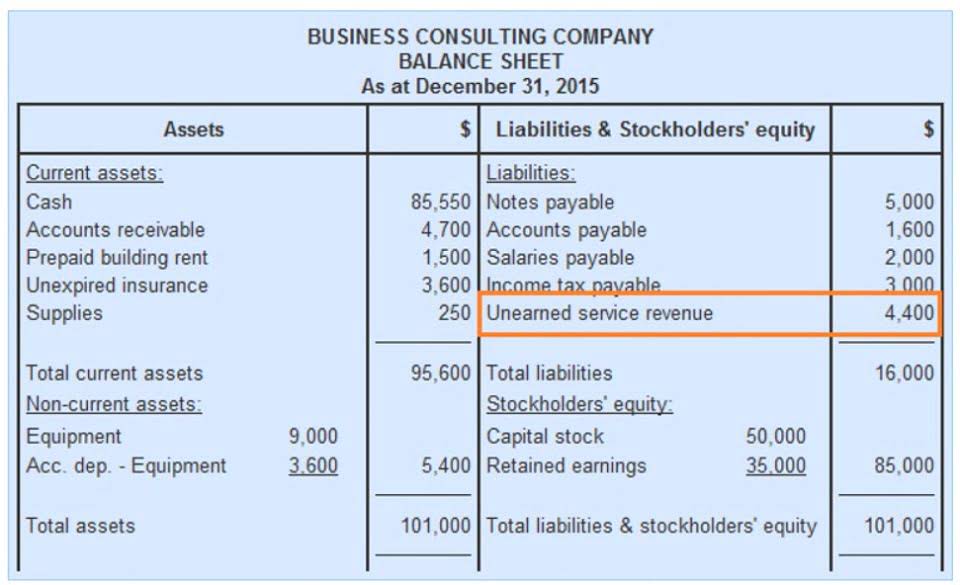
- It is neither an asset nor a liability; it is a contra asset account that reduces the value of related asset types on the balance sheet.
- To calculate the depreciation expense for the first year, we need to apply the rate of depreciation (50%) to the cost of the asset ($2000) and multiply the answer with the time factor (3/12).
- The beginning book value is multiplied by the doubled rate that was calculated above.
- The primary financial motivation for selecting an accelerated method like DDB is the time value of money.
The double declining balance method (DDB) describes an approach normal balance to accounting for the depreciation of fixed assets where the depreciation expense is greater in the initial years of the asset’s assumed useful life. Depreciation is a fundamental concept in accounting, representing the allocation of an asset’s cost over its useful life. Various depreciation methods are available to businesses, each with its own advantages and drawbacks.